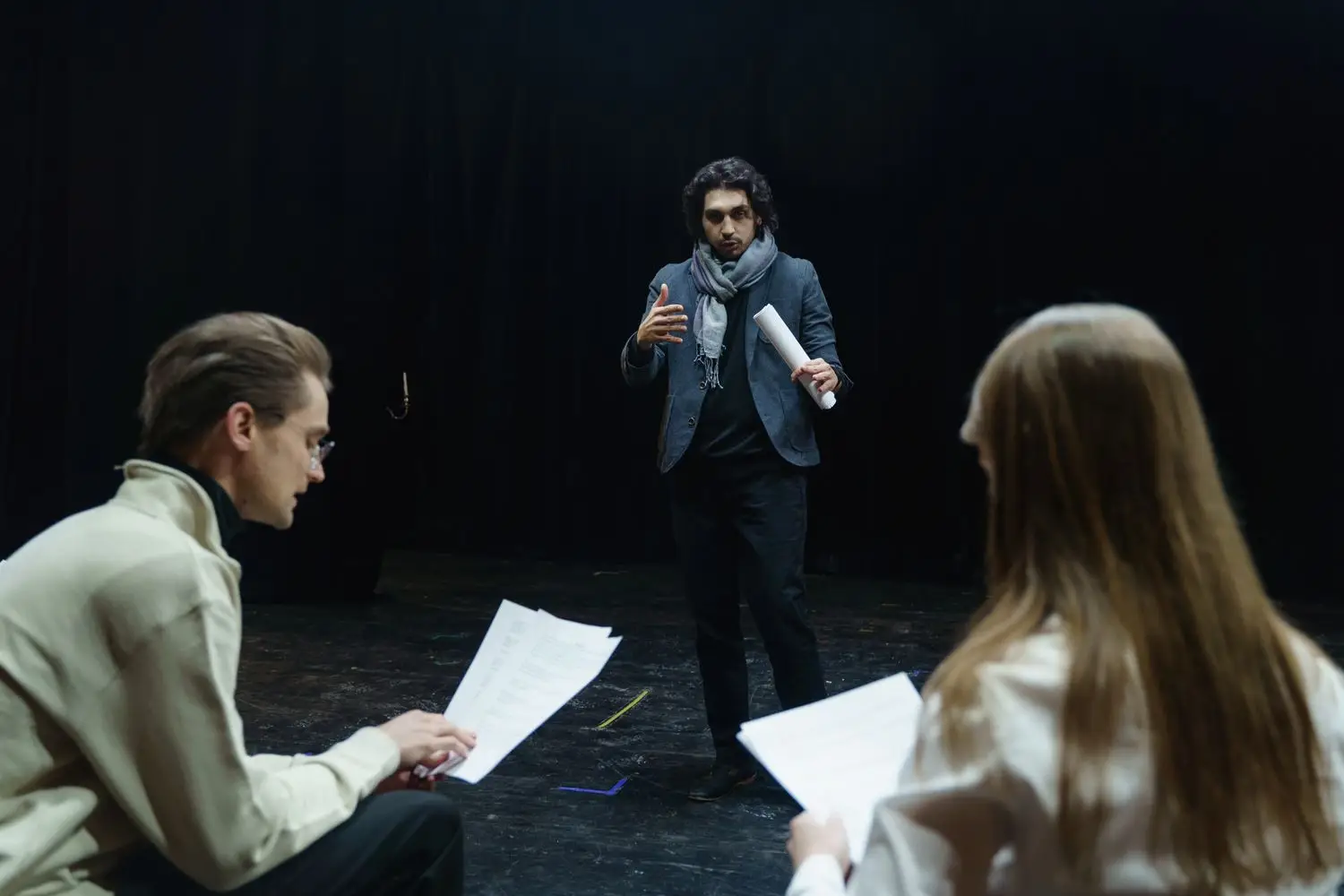
Scene study with real rehearsal logic
Break down objectives, beats, circumstances, relationships, and shifts—then test the analysis on your feet.
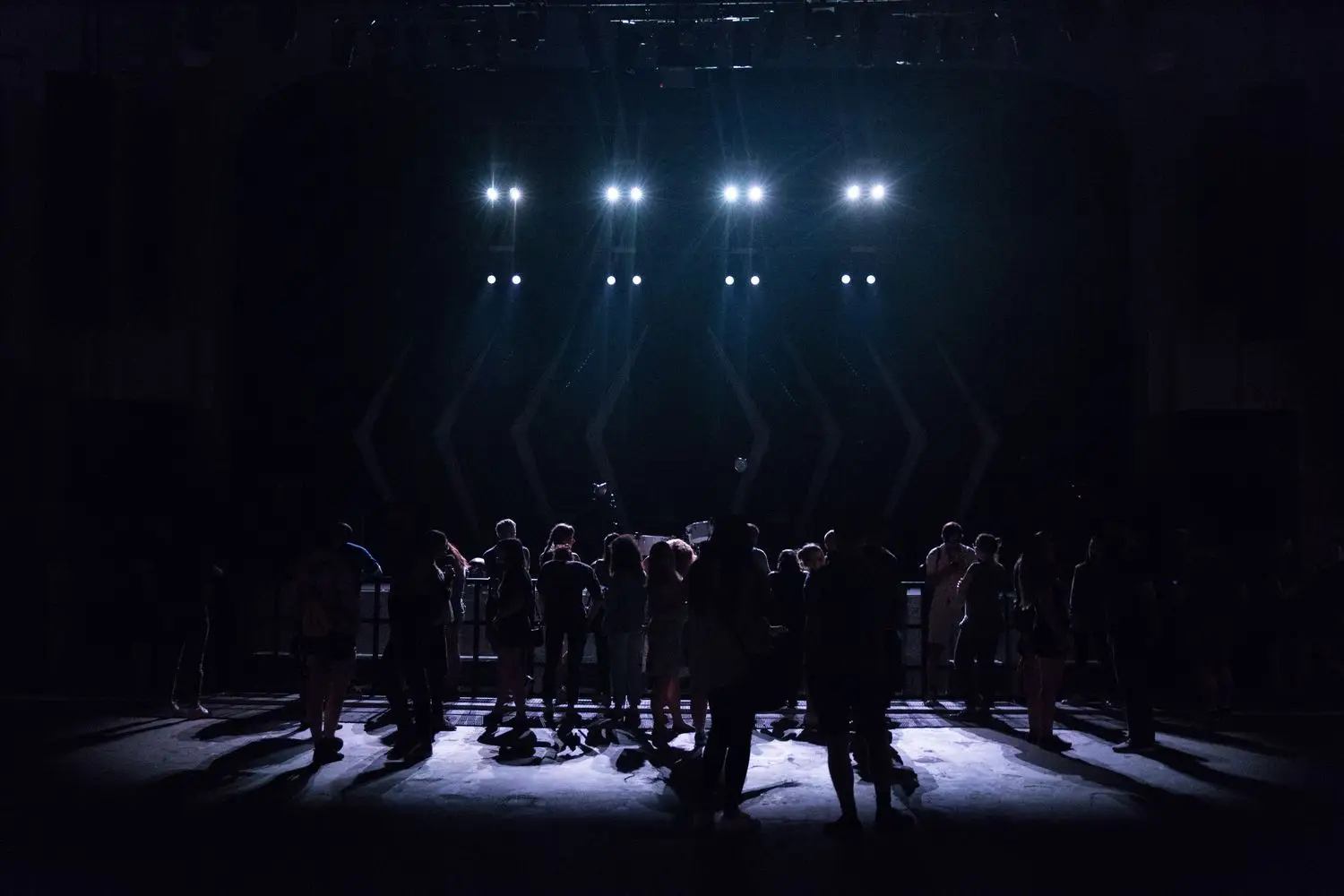
Toronto · Actor training · Ensemble practice
Ivorvelle is a theatre studio for actors who want rigorous technique without losing spontaneity. Classes move from text analysis and truthful listening to rehearsal discipline, ensemble awareness, and performance-ready choices.
Technique matters, but theatre only comes alive when the actor can remain responsive inside structure. Our work combines repeatable tools with detailed partner work, helping performers make specific choices while staying available to what is actually happening in the room.
Break down objectives, beats, circumstances, relationships, and shifts—then test the analysis on your feet.
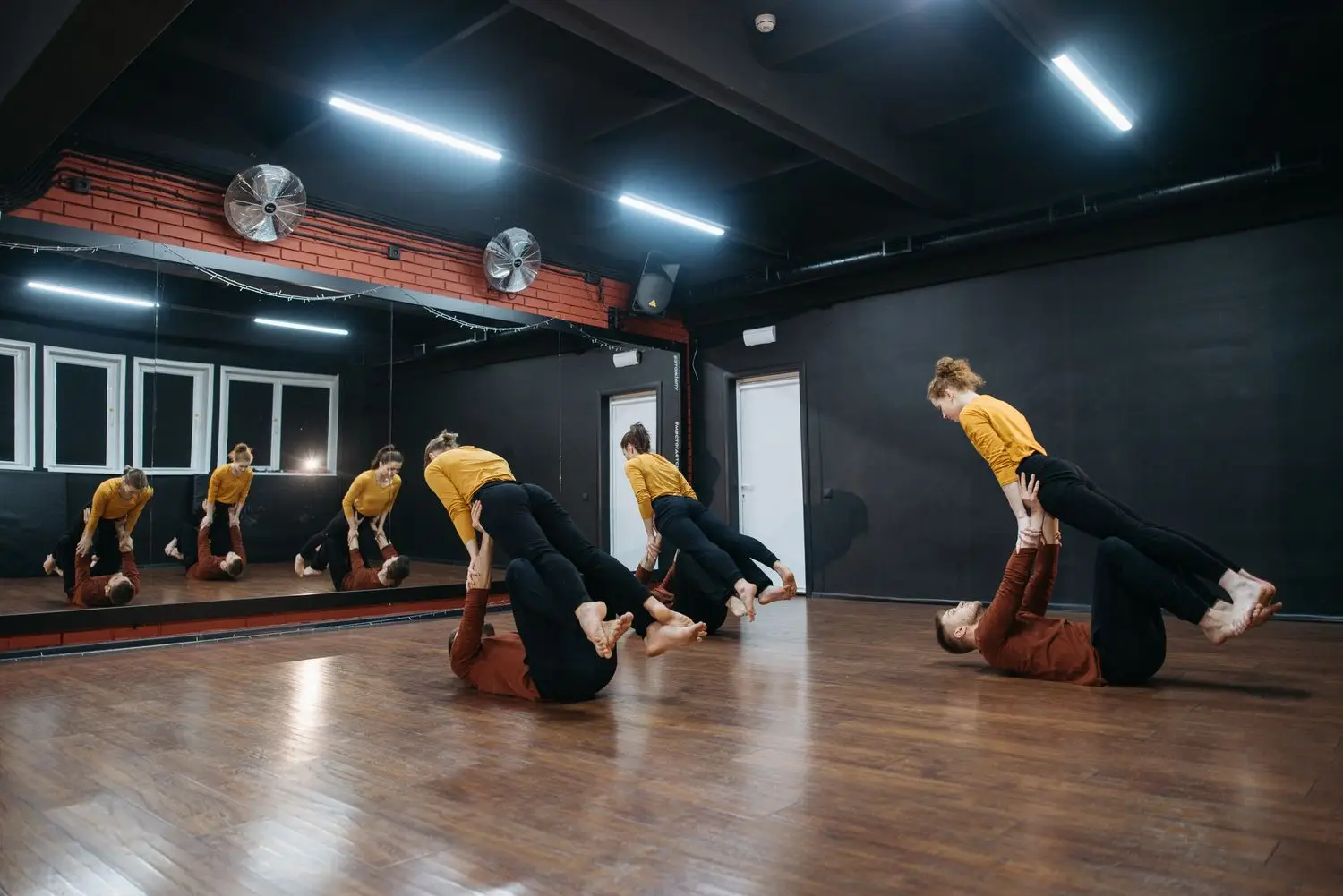
Develop breath, physical availability, spatial awareness, and a voice that stays connected to action rather than presentation.
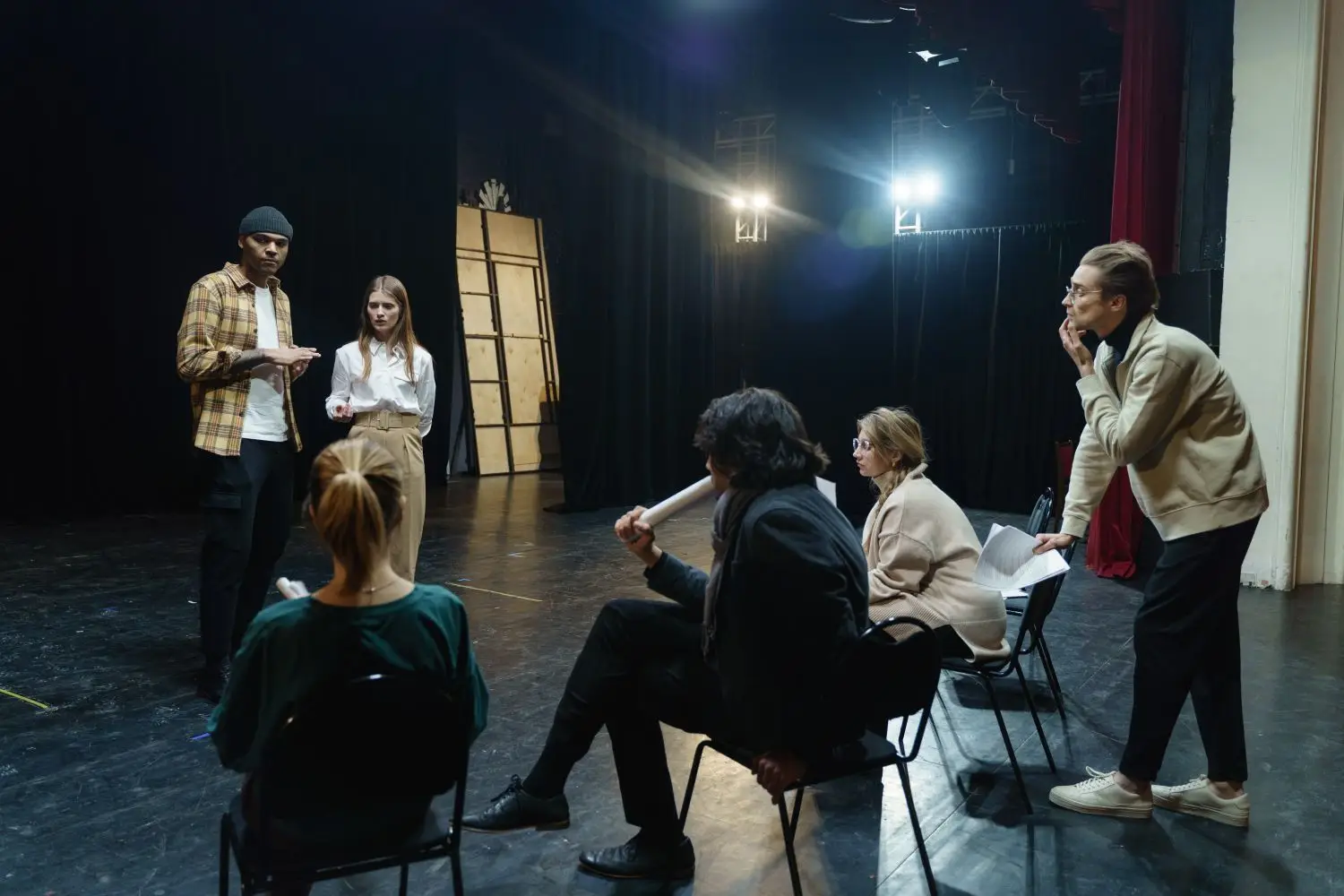
Rehearse timing, impulse, rhythm, and shared focus so the scene belongs to the whole group—not a single performance.
Programs are structured so beginners can build dependable fundamentals while experienced actors can sharpen text work, audition choices, and performance consistency.
For actors developing reliable habits: attention, circumstances, action, listening, partner connection, and simple scene structure.
For performers ready to work longer scenes, layered objectives, changing tactics, detailed text analysis, and sustained rehearsal notes.
For prepared, repeatable audition work: first reads, self-direction, contrast, adjustment, time management, and clear choices under pressure.
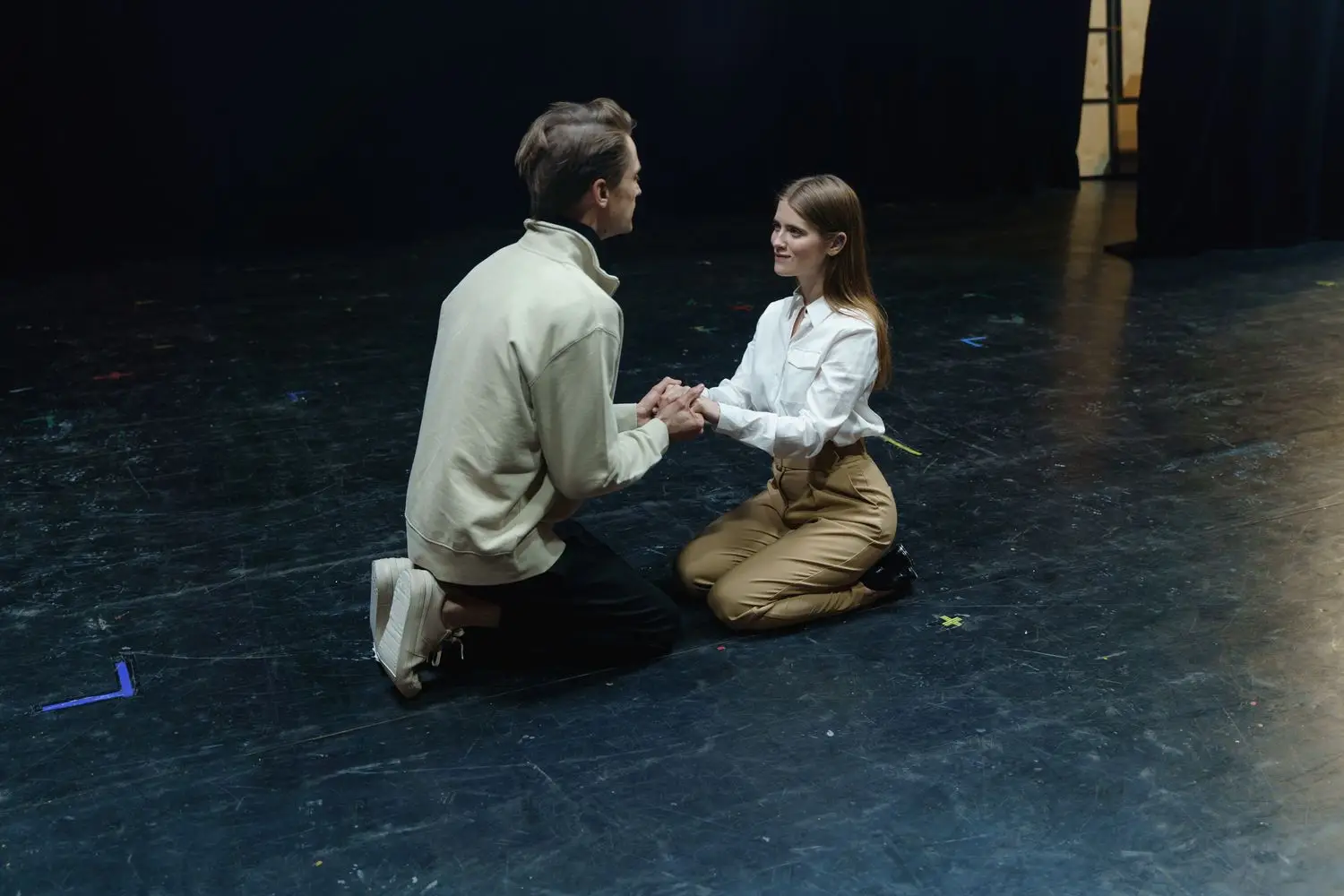
We treat rehearsal as a place to investigate action, not to collect approval. Teachers give concrete notes connected to behaviour, text, timing, physical life, and the partner. Students are expected to try the note, observe what changes, and keep what produces clearer stage action.
The goal is not a single “correct” interpretation. It is a process strong enough to support multiple interpretations without becoming vague or arbitrary.
Read our approach“The actor’s job is not to decorate the scene. It is to pursue something specific and remain alive to the response.”
Ivorvelle studio principleActor training becomes durable when the same core questions are revisited in different material. Rather than chasing a new trick each week, Ivorvelle asks students to deepen a small set of practical habits until those habits remain available under pressure.
Identify what changes from beat to beat, which words carry pressure, what is being avoided, and how the partner’s behaviour alters the next tactic. The page becomes a map for behaviour rather than a set of lines to present attractively.
Listening is trained as an observable action. Students work on receiving new information, allowing timing to shift, and keeping preparation flexible enough that the partner can genuinely affect the scene.
Repetition should increase precision without flattening spontaneity. Actors learn which elements must stay consistent for story and staging, and which can remain responsive from one run to the next.
A useful term is not a sequence of disconnected exercises. Each stage should prepare the actor for the next: first establishing a playable structure, then testing it with a partner, then making it durable enough to survive repetition, adjustment, and performance pressure.
Actors begin by clarifying what has happened before the scene, what changes now, and what each person is trying to make the other person do, understand, admit, reveal, or choose. This gives rehearsal a concrete dramatic problem instead of a mood to reproduce.
Prepared ideas are put under pressure through repeated runs. Students track where listening becomes passive, where tactics stop changing, where language loses urgency, and where physical behaviour supports or contradicts the text.
Actors learn to alter one useful variable at a time: pace, distance, action, emphasis, physical task, or relationship. That discipline makes feedback measurable and helps performers distinguish a productive adjustment from a random change.
Later work asks the actor to retain text, staging, rhythm, and technical responsibilities without closing off spontaneous response. The aim is a performance process that is repeatable enough for an ensemble and alive enough to remain truthful.
Feedback at Ivorvelle is tied to what the audience and scene partner can actually experience. Instead of asking actors to manufacture an emotion, we identify the dramatic conditions that make behaviour more specific and responsive.
We examine operative words, images, interruptions, repetitions, changes of thought, and the difference between what a character says and what the character is trying to accomplish. Text analysis is always brought back to playable action.
Actors practice letting new information alter timing, tactic, intensity, and physical behaviour. Strong preparation should increase responsiveness, not protect a predetermined delivery from the person standing opposite you.
Distance, orientation, stillness, movement, entrances, and exits all affect relationship. We use space deliberately so physical choices support the scene instead of becoming decoration added after the acting is already fixed.
Explore the current training pathways or contact the studio to discuss level, goals, and placement.