Specificity
General emotion is difficult to play. Specific circumstance, relationship, objective, obstacle, and action give the actor something concrete to do.
About Ivorvelle
We designed Ivorvelle as a place where actors can train repeatedly, receive usable notes, and develop a process that remains practical from the first table read to the final run.
Our teaching starts from a simple premise: the audience should not see the actor “using a method.” They should see a person doing something necessary under specific circumstances. Training therefore moves between analysis and embodiment. We read closely, identify playable actions, test them with partners, and refine what becomes more truthful, legible, and theatrically alive.
Ivorvelle classes are practical rather than lecture-heavy. Students spend substantial time on their feet, revisiting material after notes, changing one variable at a time, and learning to distinguish an interesting idea from an effective stage choice.
The room is demanding but not punitive. Precision and experimentation are treated as compatible: a clear structure gives actors enough security to take genuine risks.

These principles guide class design, rehearsal notes, casting exercises, and the way students are asked to work with one another.
General emotion is difficult to play. Specific circumstance, relationship, objective, obstacle, and action give the actor something concrete to do.
A prepared actor is not a fixed actor. Preparation should make you more available to the partner, the space, the text, and the unexpected.
Good work must survive another rehearsal. We train processes that can be repeated and adjusted instead of relying on a single lucky take.
Class structure changes with the material, but most sessions move through a deliberate sequence that prepares the body, focuses attention, and gives enough time for detailed scene work.
Short ensemble, breath, articulation, or movement work establishes shared concentration and brings attention into the room.
Actors identify circumstances, relationships, shifts, operative language, images, and playable actions without over-explaining the scene.
Scenes are run, adjusted, repeated, and sometimes rebuilt from a different action so students can observe cause and effect.
Actors leave with concrete rehearsal tasks rather than vague judgments about whether a performance was simply “good” or “bad.”
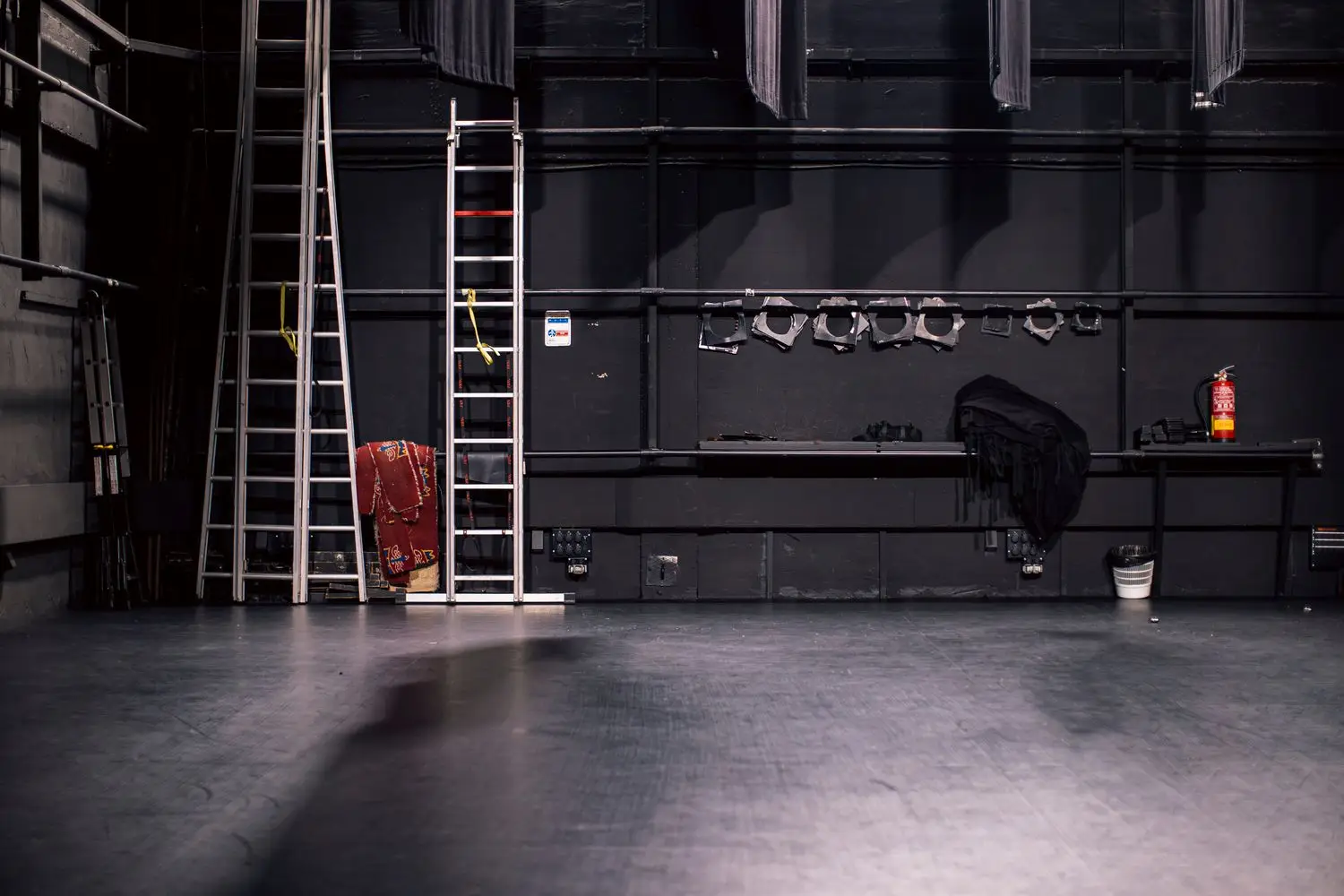
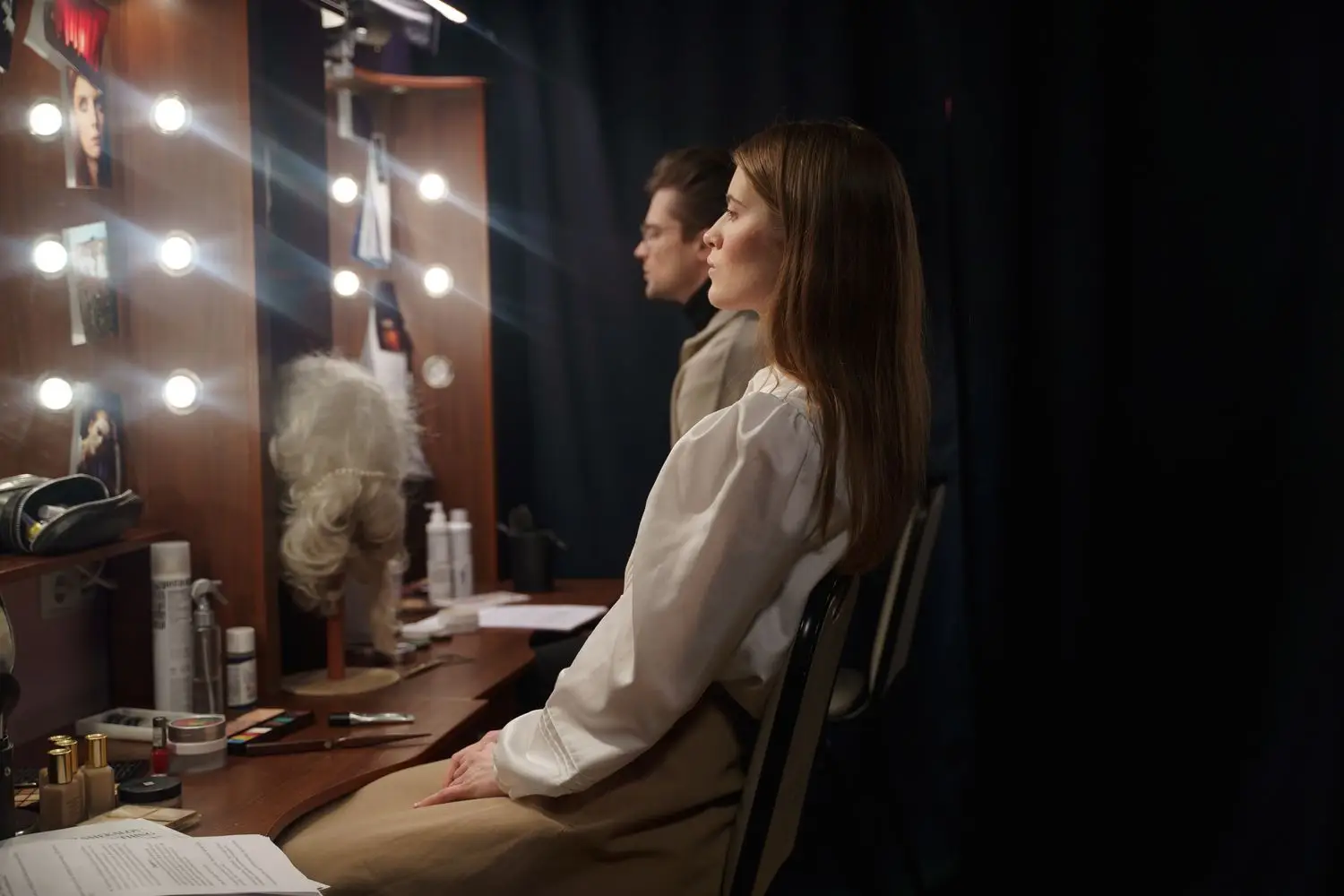
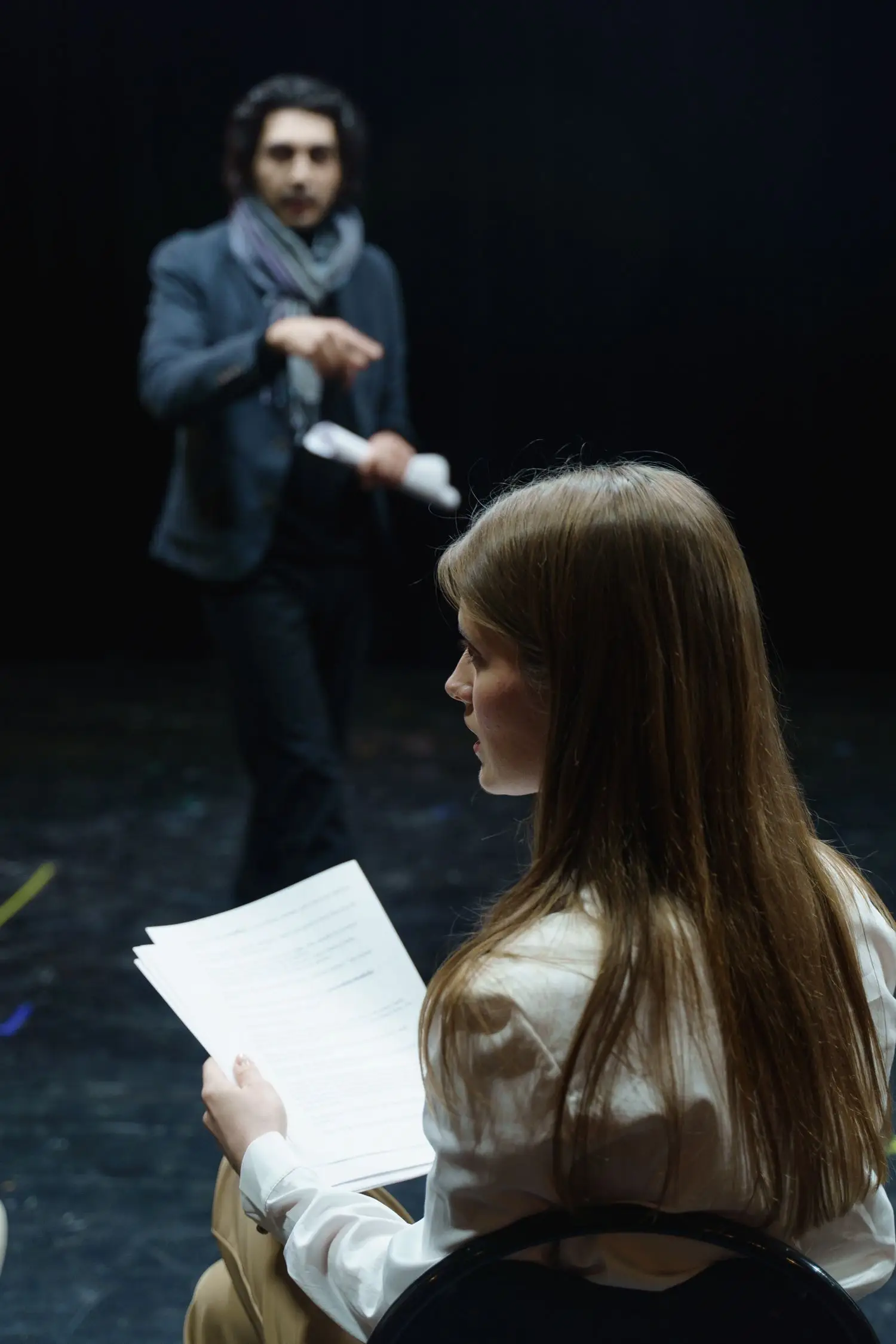
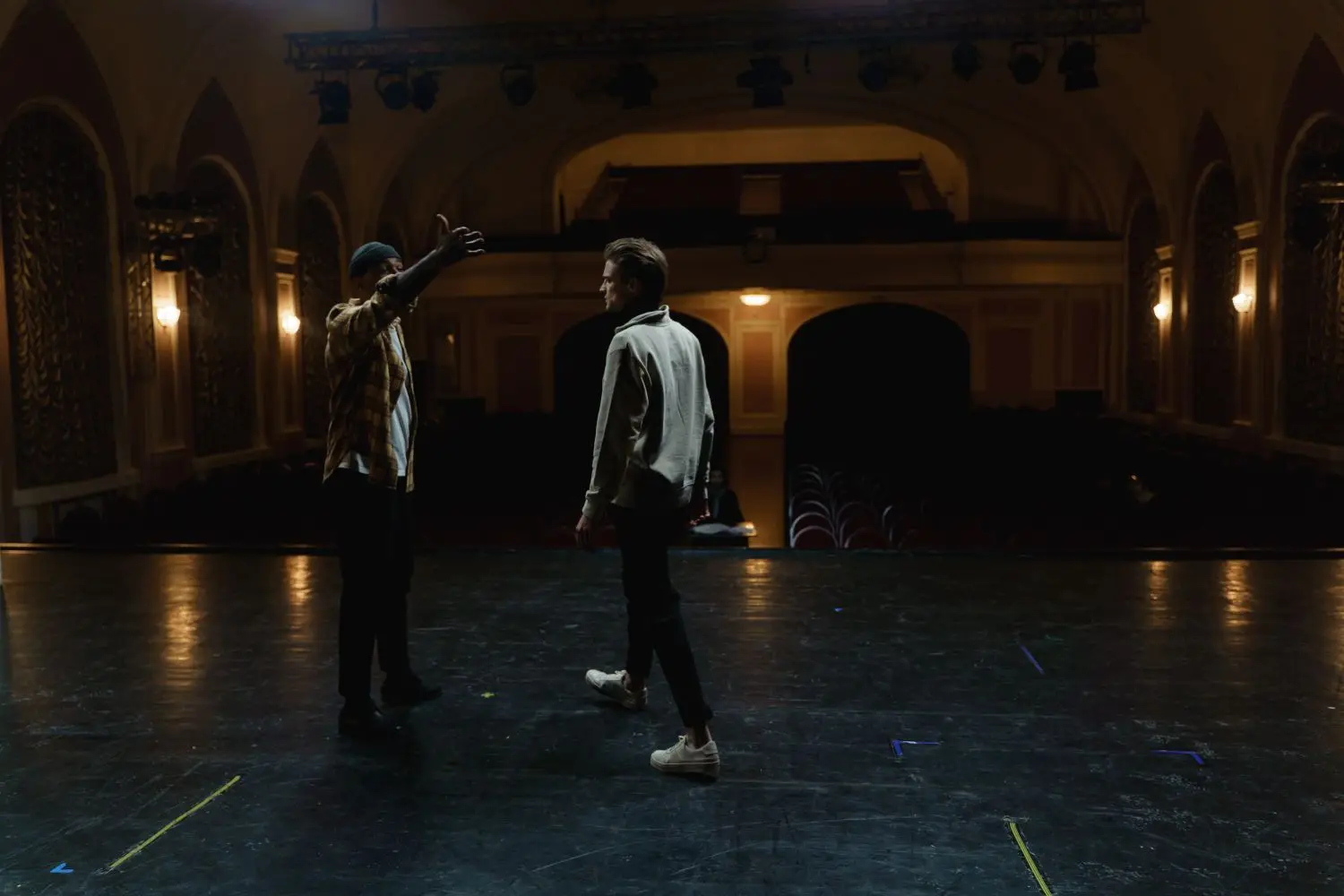
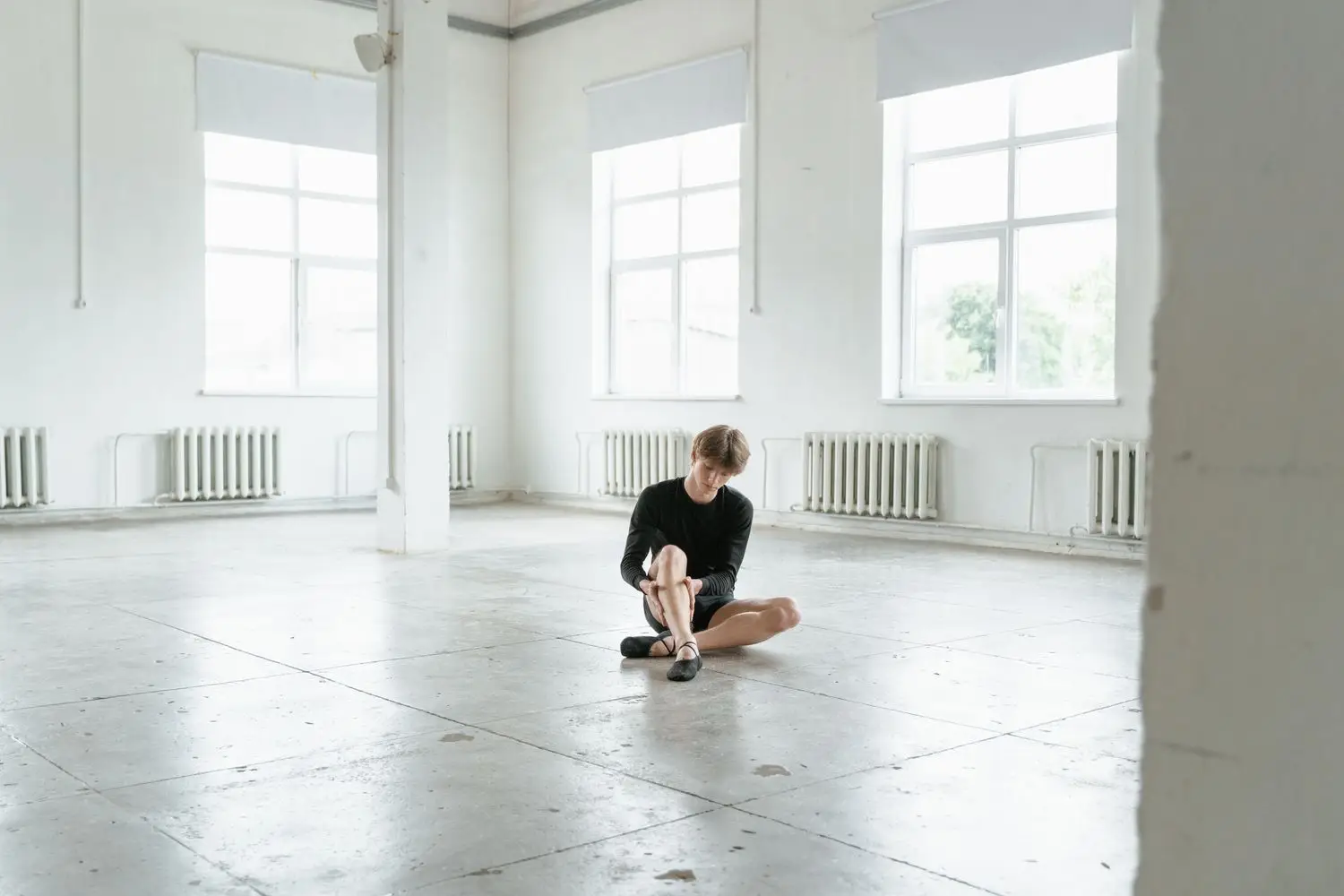

Our instructors frame feedback around observable behaviour and playable tasks. A note might concern pace, emphasis, physical distance, relationship, listening, a missed shift in the text, or an action that has become too generalized. The actor then gets another attempt.
This matters because actor training is not improved by accumulating abstract comments. It improves through a cycle: attempt, observe, adjust, repeat. That cycle is the centre of Ivorvelle’s teaching practice.
See the training pathwaysConcentration, generosity, and accountability support better work than intimidation. Students are expected to arrive prepared, protect one another’s working time, and treat notes as material to test rather than as personal verdicts.
When another actor works, observe the relationship between note and result. Training accelerates when students can learn from changes they did not personally perform.
Be punctual, know the text to the level requested, handle shared rehearsal materials carefully, and avoid behaviour that turns someone else’s scene into background for your own practice.
A failed choice is useful when it reveals why the scene stopped moving. The question becomes what changed in the action, not whether the actor can label the attempt a success or failure.
Actor training depends on the quality of attention in the room. The studio therefore treats preparation, observation, note-taking, and partner responsibility as part of the craft rather than administrative extras.
Knowing the assigned text, circumstances, and rehearsal task allows class time to be used for investigation. Preparation is not a demand for a finished performance; it is the foundation that makes meaningful adjustment possible.
Students are asked to watch how a note changes another actor’s behaviour, timing, relationship, or use of space. Seeing cause and effect in multiple scenes expands craft vocabulary faster than concentrating only on personal performance.
Reliable entrances, respectful handling of material, punctuality, and focused listening create the conditions in which risk becomes possible. A disciplined ensemble does not waste energy repairing avoidable disruptions.
Before asking what a scene should feel like, we ask what the text actually gives us: events, facts, images, reversals, silences, changes of status, and moments when one character succeeds or fails to affect another.
Actors identify stated facts, implied circumstances, unresolved questions, and moments where the language changes direction. This keeps imaginative choices connected to the play rather than imposed on top of it.
Instead of performing an adjective such as “sad” or “powerful,” the actor chooses an action toward the partner: reassure, provoke, corner, seduce, dismiss, recruit, expose, or protect. The verb creates behaviour that can actually change.
A choice that sounds intelligent in discussion may fail when spoken aloud. We value the run as evidence. If the scene stops moving, the actor adjusts the action, relationship, timing, or physical condition and tests again.
Explore the current training pathways or contact the studio to discuss level, goals, and placement.