Productions & performance work

Where training meets an audience.

Ivorvelle production projects give actors a longer rehearsal arc: research, table work, blocking, scene development, technical integration, and the discipline of repeating a living performance.

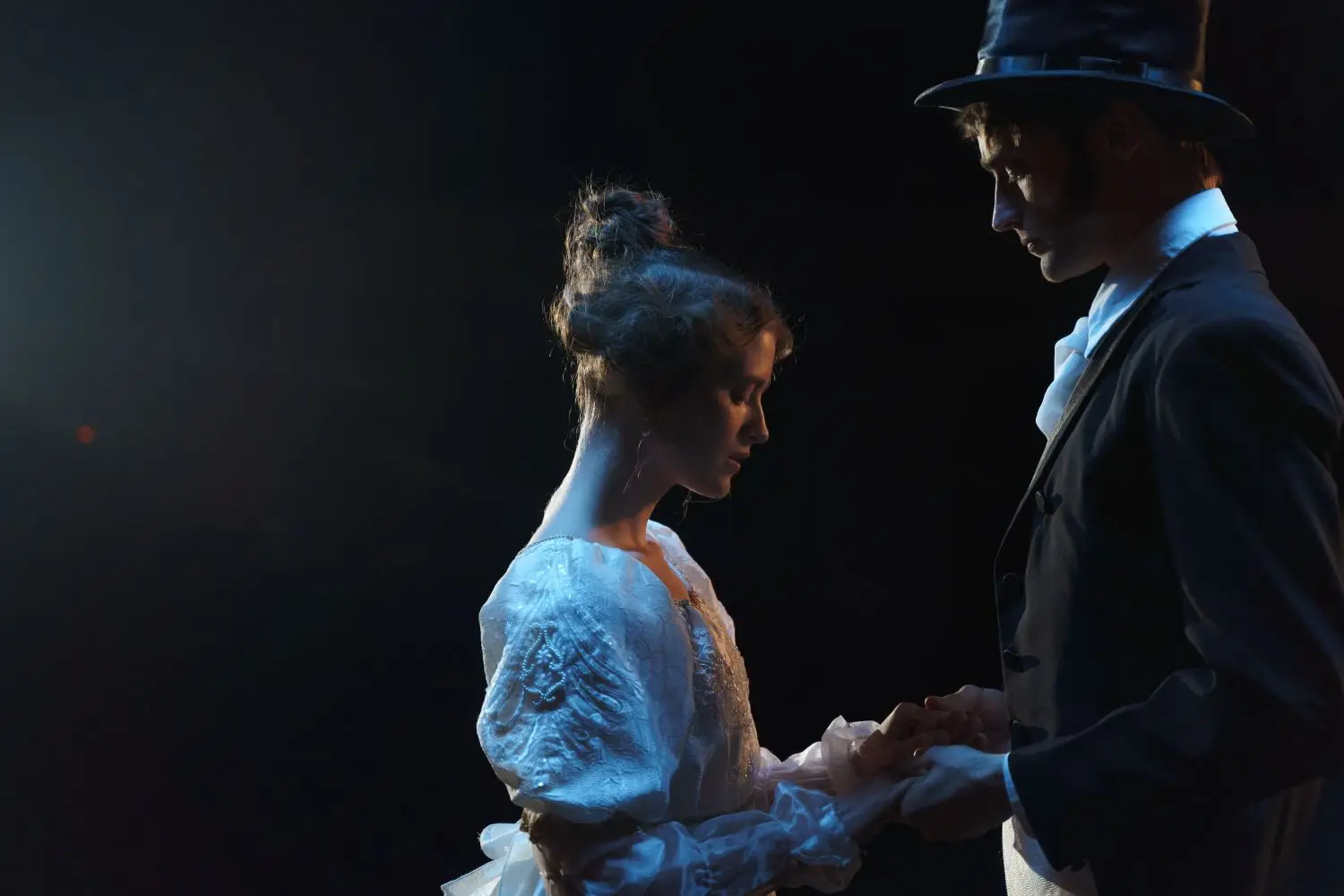
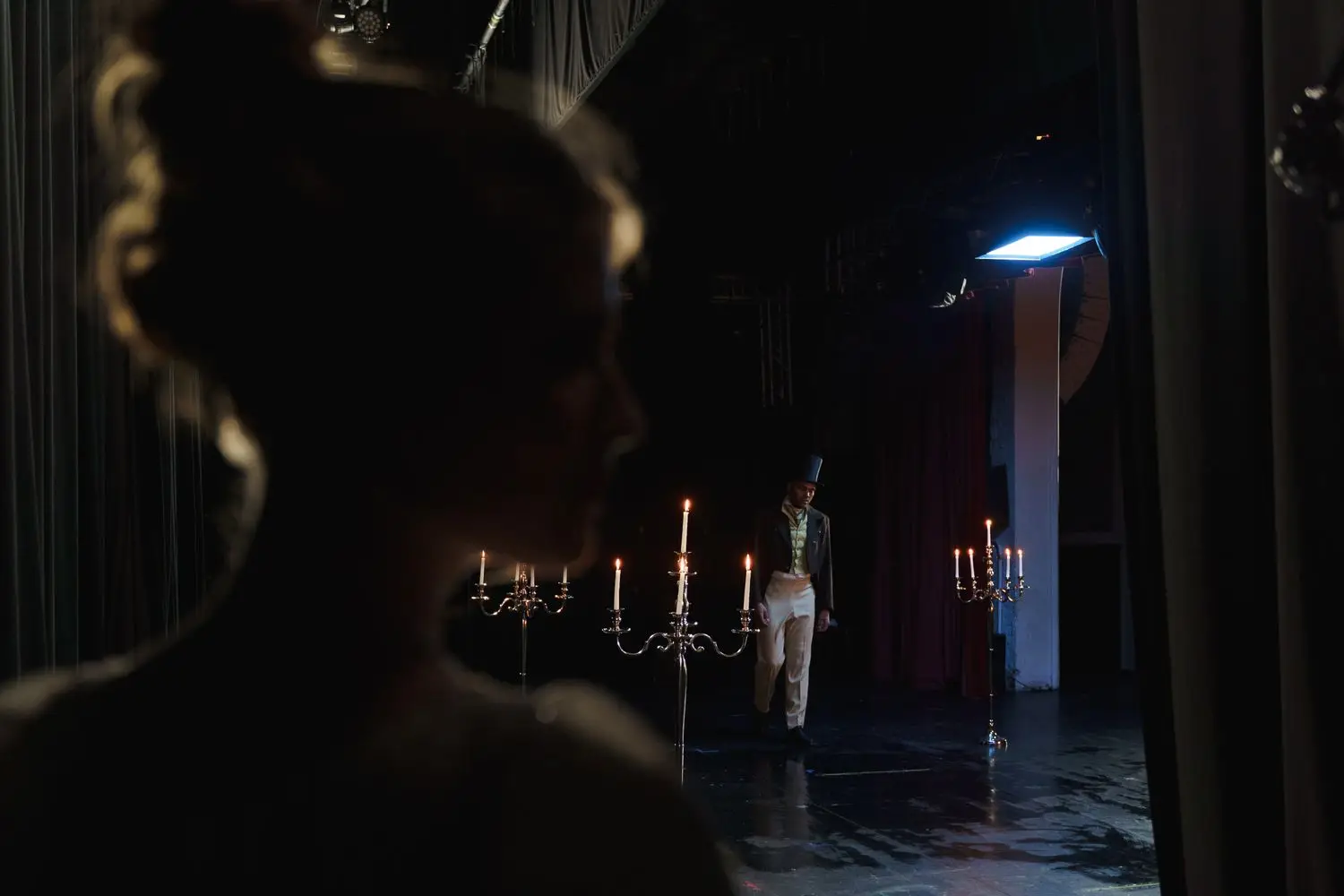
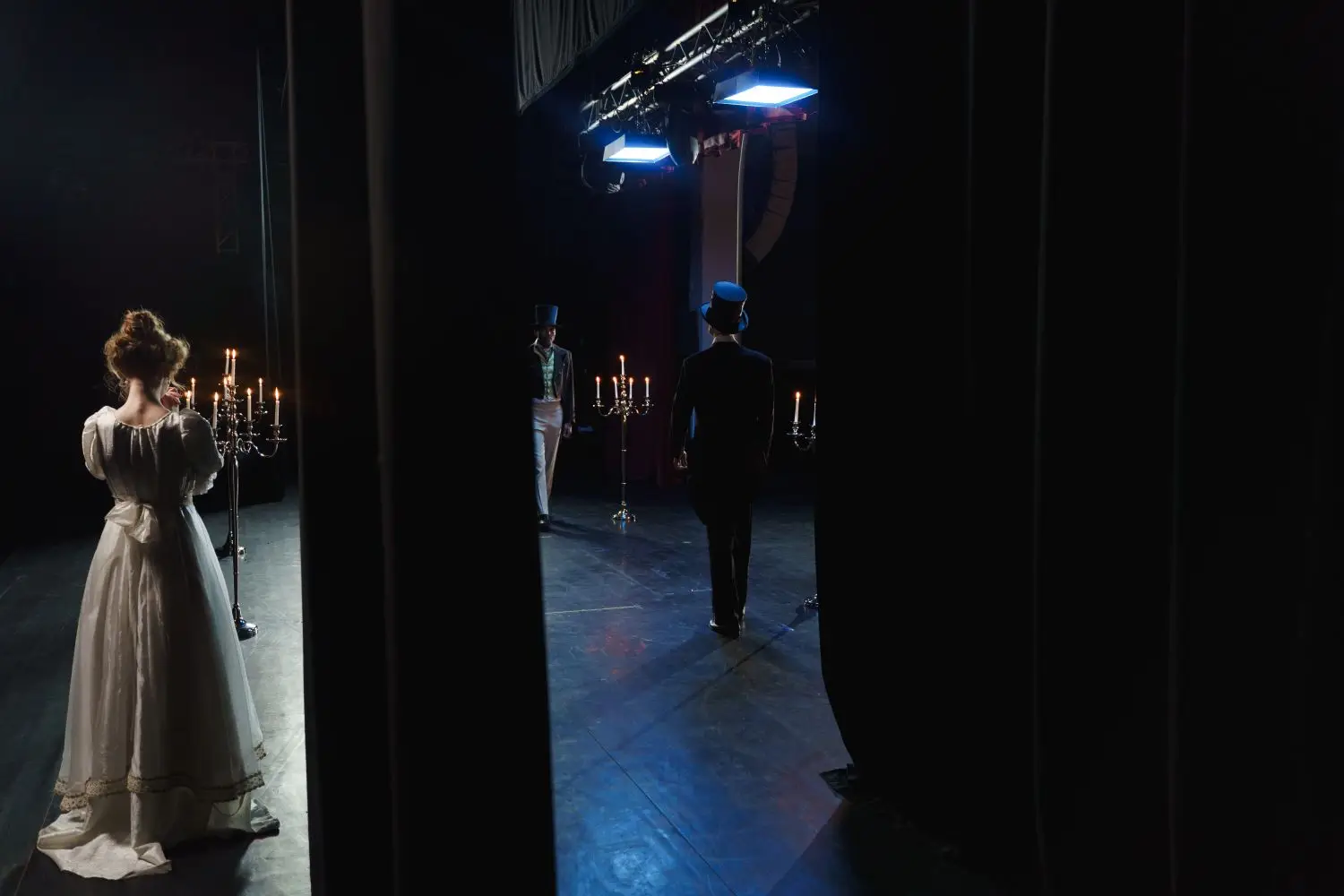
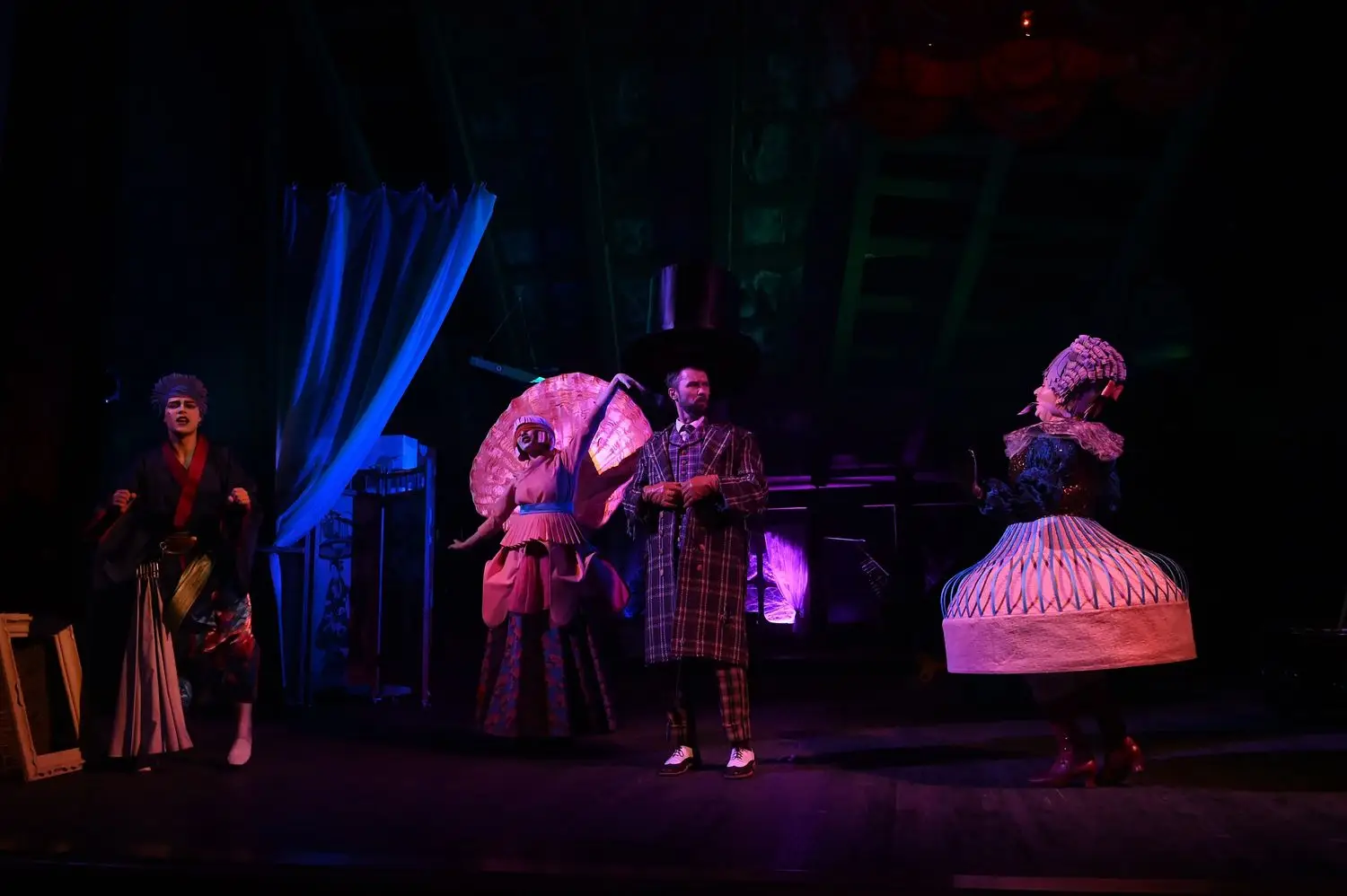
Costumed actors performing together on a theatre stage
Studio production project

Stories shaped through rehearsal

Our production process extends the same principles used in class: clear action, close listening, detailed text work, and responsive ensemble timing. Rehearsal moves from exploratory runs to increasingly precise staging without asking actors to freeze the life out of the scene.

Projects may include studio presentations, workshop sharings, and fully staged performance exercises, depending on the training cycle.

Process
Table work to staged runs
Emphasis
Ensemble storytelling
Material
Classic and contemporary scenes
Participation
By studio placement
Production process

Build the performance in layers.

A production is not a class exercise stretched over more weeks. It asks for continuity, memory, spatial precision, technical awareness, and the ability to keep making fresh contact inside repeated staging.

01

Research and table work

Clarify context, relationships, events, unanswered questions, and the practical demands of the text before fixing blocking too early.

02

Exploration and staging

Test actions in space, discover entrances and exits, define focal points, and let blocking emerge from playable relationships.

03

Runs and refinement

Strengthen transitions, pacing, shared rhythm, physical clarity, and consistency while protecting genuine responsiveness.

04

Performance conditions

Integrate technical cues, costumes, props, and audience awareness so the acting remains connected when the environment becomes more complex.

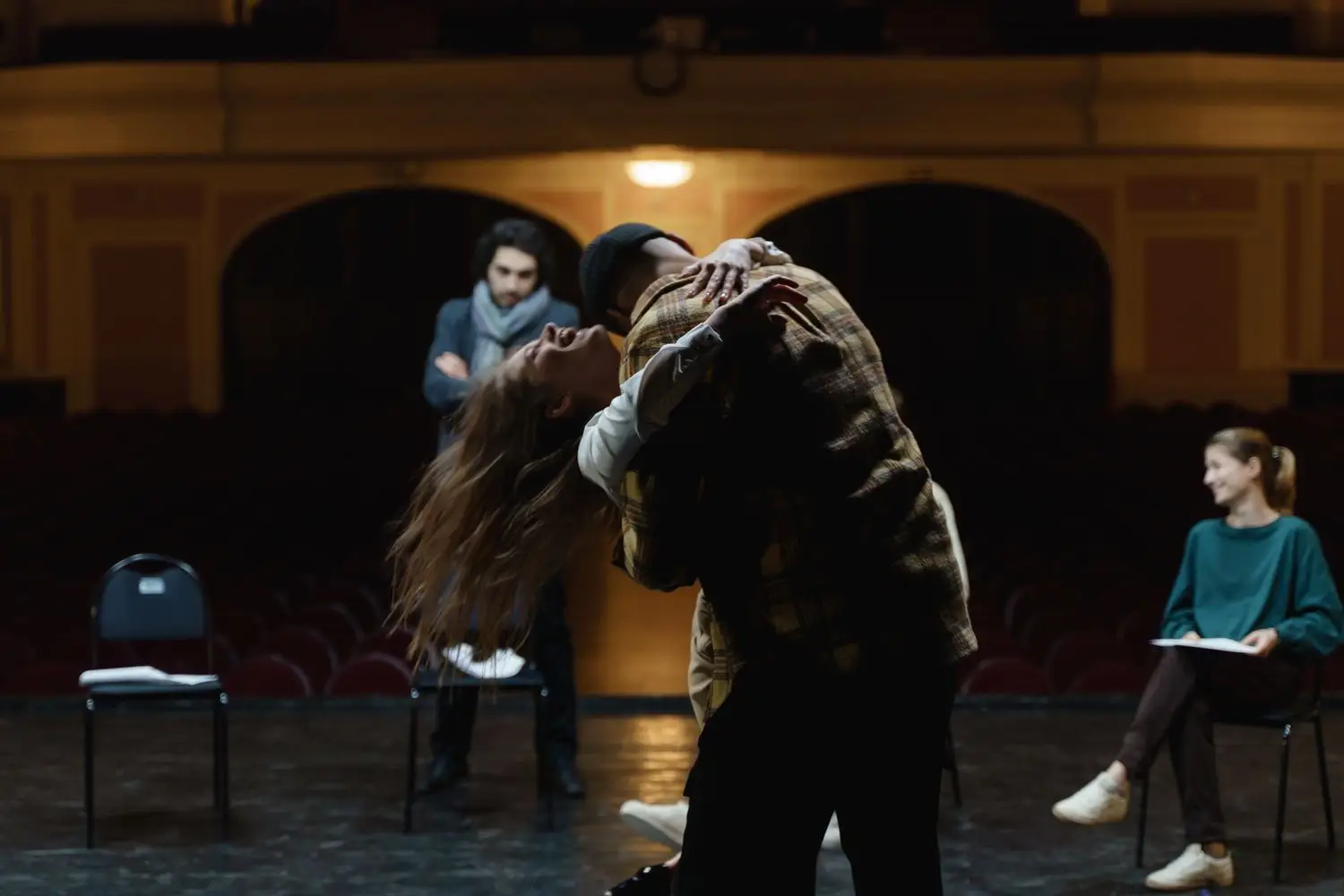
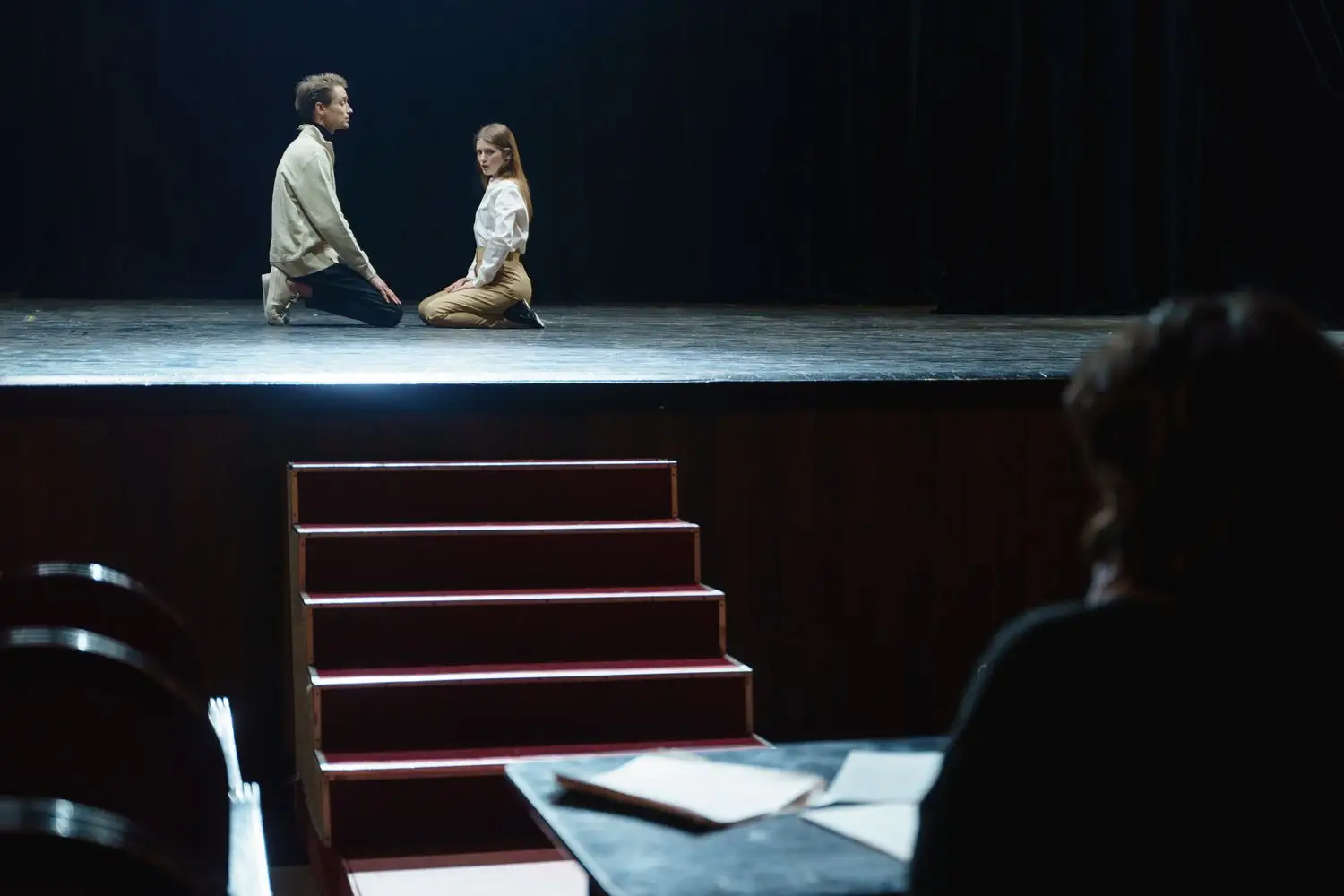
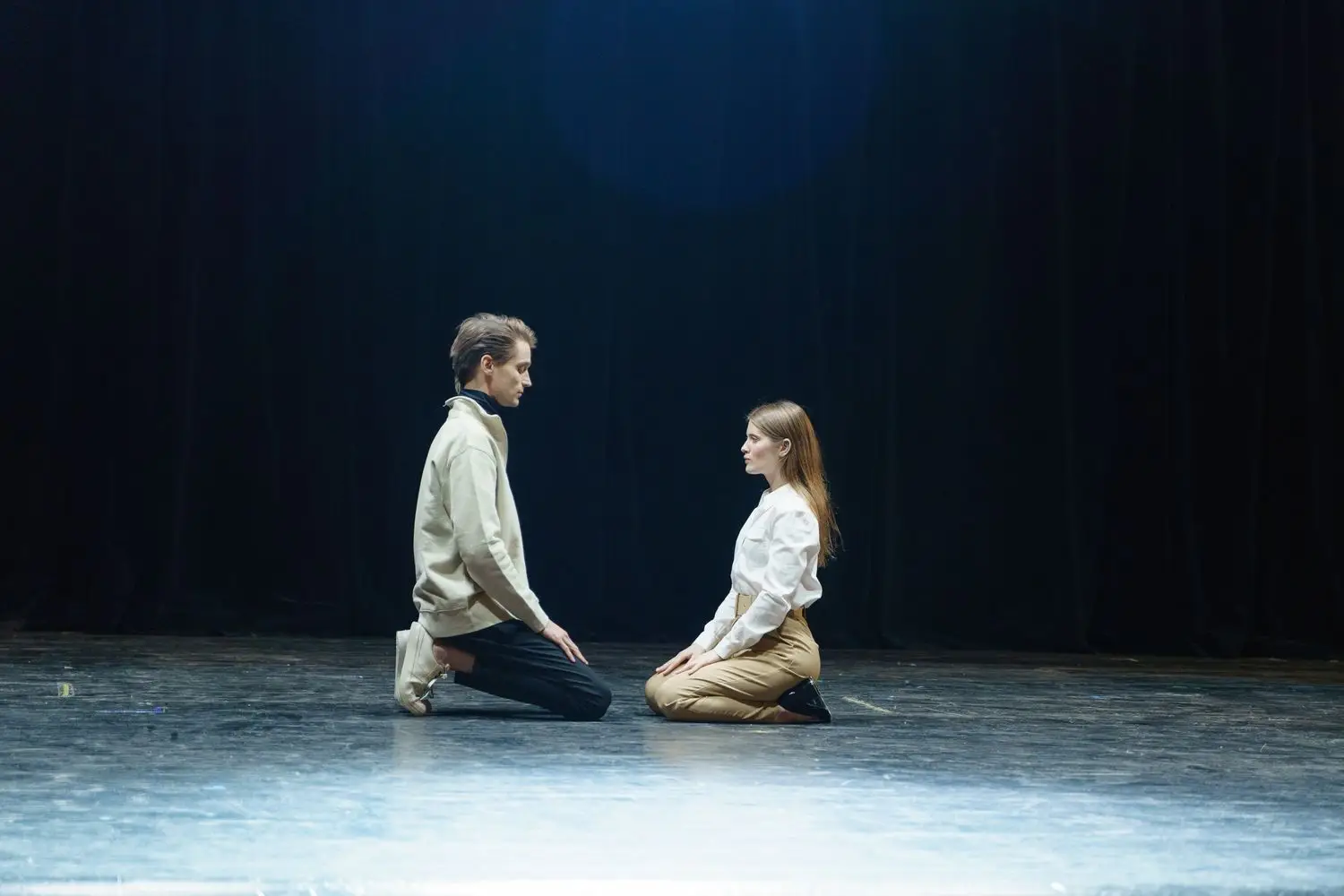
Rehearsal gallery

Work seen from different distances.

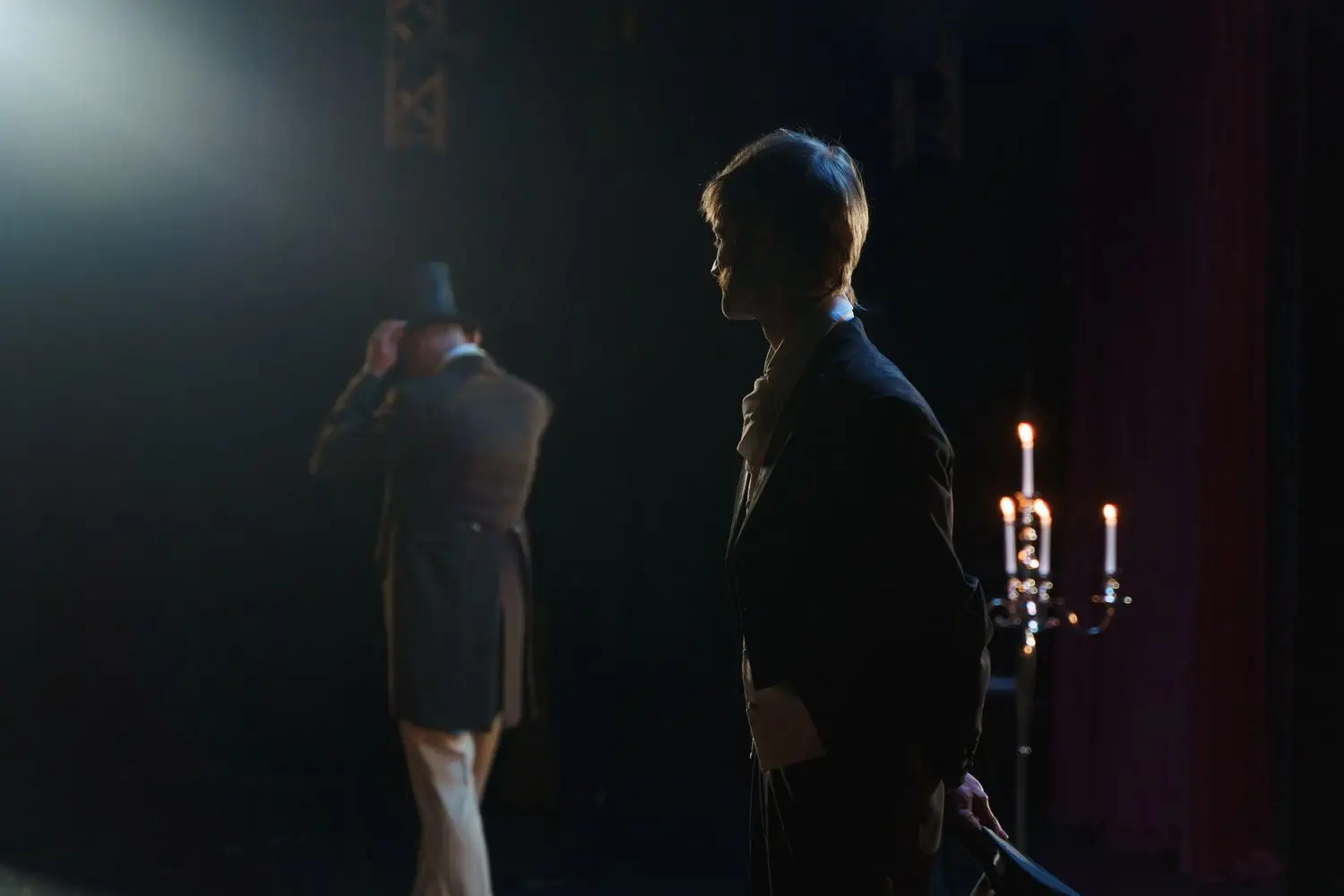
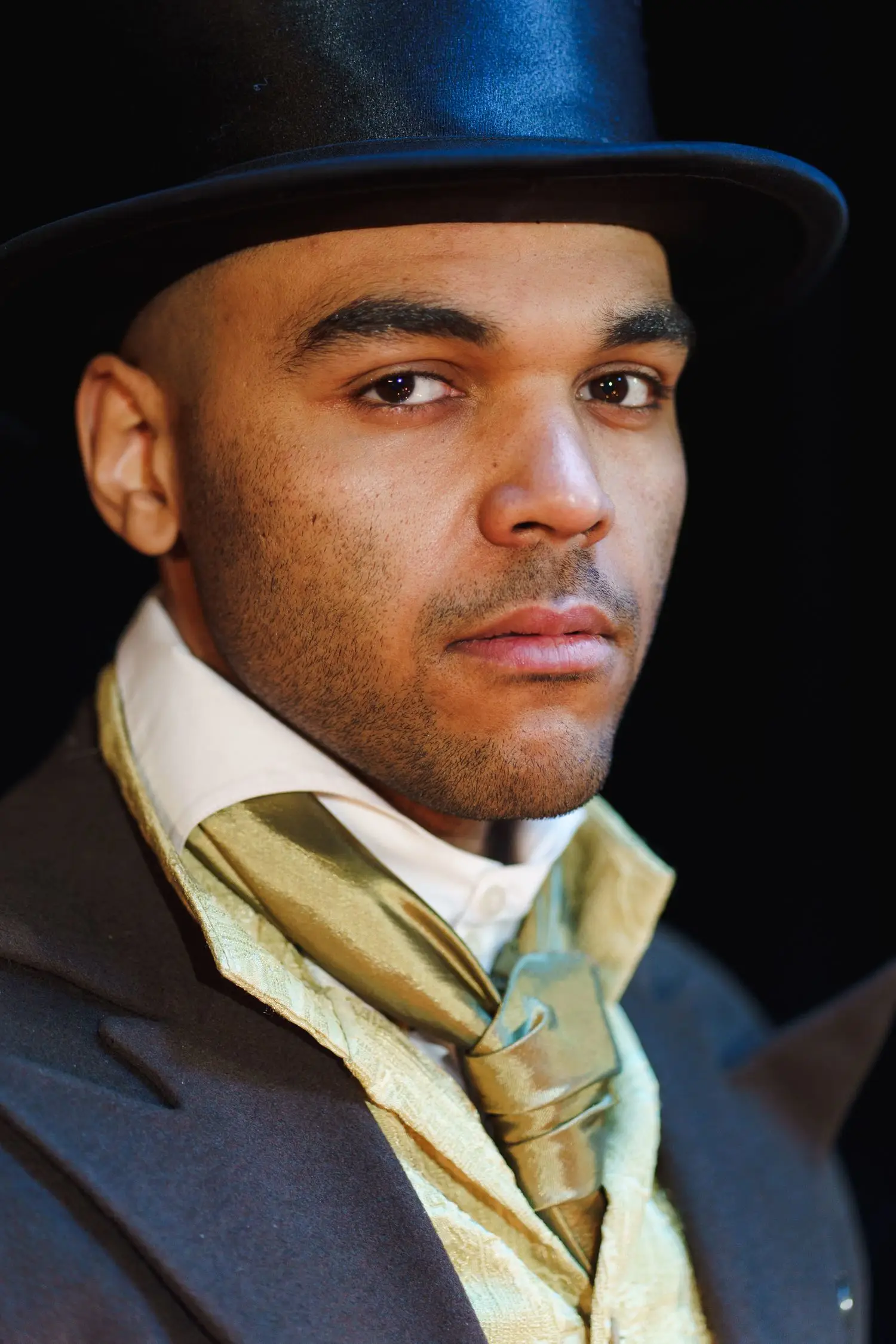
Theatre changes when you move from the rehearsal circle to the stage, and again when light, costume, architecture, and audience sightlines enter the picture.

Warm theatre lights illuminating a dark stage
Performance readiness

Precision without becoming mechanical.

By the later run-throughs, actors must know their staging, cue structure, text, and practical tasks well enough that attention can return to the partner. Reliability creates freedom: when technical responsibilities are secure, performers have more room to respond truthfully in the moment.

This balance—repeatable structure with live attention—is one of the central skills production work is designed to teach.

Ask about production pathways
From rehearsal to stage

Technical elements should sharpen the story, not distract from it.

As a production develops, actors must absorb new practical demands without abandoning partner connection. Light, entrances, props, costume details, spacing, and timing become part of the score that supports the dramatic action.

Space

Know where the audience can read the event.

Stage geography affects meaning. Distance, angle, levels, and stillness are rehearsed so important action remains visible without turning performance into constant front-facing display.

Cue

Technical timing becomes part of the scene.

Entrances, transitions, light shifts, and practical tasks are repeated until they are dependable enough to carry dramatic rhythm rather than interrupt it.

Audience

Keep the scene alive once it is watched.

Performance adds another source of energy to the room. Actors learn to acknowledge that condition without chasing reaction or allowing audience response to replace the scene’s internal logic.

From first read to performance

A production develops through increasingly specific questions.

Long-form rehearsal gives actors time to discover a role in relation to the whole piece. Each phase adds responsibility: first understanding the world of the play, then building relationships in space, then making the work dependable enough to support technical and audience conditions.

Table work

Map the events before fixing the result.

The ensemble identifies chronology, relationships, offstage events, recurring images, practical facts, unanswered questions, and major reversals. The aim is a shared map of the play, not a single imposed interpretation.

Early staging

Let movement emerge from dramatic necessity.

Actors test where proximity, distance, entrances, exits, levels, and stillness strengthen the relationship. Blocking is recorded as it becomes useful, but early rehearsals remain flexible enough to reveal better solutions.

Scene integration

Connect local choices to the rhythm of the whole piece.

As scenes join together, actors track energy, transitions, accumulated information, costume or prop responsibilities, and how one scene alters the next. Individual performance choices are adjusted when the larger structure demands it.

Technical rehearsal

Absorb cues without losing dramatic attention.

Lighting, sound, entrances, scene changes, practical objects, and backstage timing add another layer of precision. Repetition makes these tasks reliable so technical awareness can support rather than compete with the acting.

Performance

Repeat the score while remaining available to the present moment.

The audience changes the room, but the actor’s central task remains the same: pursue the action, receive the partner, honour the staging, and allow timing to stay responsive without abandoning the structure the ensemble has built.

What production work trains

Performance asks for more than a strong isolated scene.

A production tests continuity over time. Actors must carry choices across rehearsals, coordinate with an ensemble, preserve technical accuracy, and keep the dramatic life active when the same material has been repeated many times.

Continuity

Track what the character knows, wants, and has just experienced.

Scenes are not independent exercises. The actor learns to carry physical, emotional, and narrative consequences forward so the performance accumulates rather than resetting at every entrance.

Ensemble

Your timing has consequences for everyone else.

Cues, transitions, shared space, rhythm, and attention are collective responsibilities. Production work makes visible how one performer’s preparation affects the efficiency and clarity of the entire company.

Endurance

Maintain detail when repetition becomes familiar.

The challenge of later rehearsals is not remembering what was discovered once; it is renewing the conditions that make the discovery playable. Actors practice keeping language, stakes, and partner response active across repeated runs.

Work in the room

Build a practice that can hold up under rehearsal pressure.

Explore the current training pathways or contact the studio to discuss level, goals, and placement.